When the power goes out, people reach for backup heat and backup power. Some of those choices can fill a house with carbon monoxide (CO), a gas you cannot see or smell. This page collects official safety steps from the CDC, Ready.gov, and the U.S. Consumer Product Safety Commission so you can keep the lights or a little heat going without creating that risk.
This guide is general preparedness information, not medical advice. If you think someone is being poisoned by carbon monoxide, get everyone into fresh air and call 911. You can also call Poison Help at 1-800-222-1222, which connects you to your local poison center (HRSA Poison Help: Carbon Monoxide).
Heads up: some links on this page lead to gear listings that may have affiliate links. If you buy through them, we may earn a commission at no extra cost to you. Read our disclosure.
What carbon monoxide is
The CDC describes carbon monoxide as an odorless, colorless gas that can cause sudden illness and death if inhaled. It comes from fumes produced whenever you burn fuel in cars or trucks, small engines, stoves, lanterns, grills, fireplaces, gas ranges, or furnaces. CO can build up indoors and poison people and animals who breathe it (CDC: Carbon Monoxide Poisoning Basics).
HRSA’s Poison Help page adds that CO takes the place of oxygen in the blood, so the heart, lungs, brain, and other organs cannot work properly (HRSA Poison Help: Carbon Monoxide).
Why outages raise the risk
Outages do not create carbon monoxide by themselves. The risk comes from how people try to replace lost heat or electricity: portable generators, fuel-burning heaters, charcoal or camp stoves, ovens used as heaters, and cars left running in a garage. Those habits show up in winter ice storms and in hurricane-season outages. If you are also trying to stay warm, read How to Stay Warm When the Power Goes Out and Best Ways to Heat One Room Safely in an Outage alongside this page.
Symptoms, and what to do
The CDC lists the most common symptoms as headache, dizziness, weakness, upset stomach, vomiting, chest pain, and confusion. The symptoms are often described as “flu-like.” Breathing in a lot of CO can make you pass out or can kill you. People who are sleeping, drunk, or under the influence of other substances can die from CO poisoning before they have symptoms. Infants, older adults, and people with chronic heart disease, anemia, or breathing problems are more likely to get sick from CO (CDC: Carbon Monoxide Poisoning Basics).
Poison Help says: immediately go outside to get fresh air, and call Poison Help at 1-800-222-1222. If you feel better when you are out of the home and worse when you return, CO may be present — and if you notice that pattern, call 911. Have the fire department check for CO, and do not go back inside until the source is repaired and the home is safe (HRSA Poison Help: Carbon Monoxide).
If someone is unconscious, having a seizure, or struggling to breathe, call 911 first.
Portable generators: the 20-foot rule
The CDC’s generator advice is specific:
- Never use a generator inside your home or garage, even if doors and windows are open.
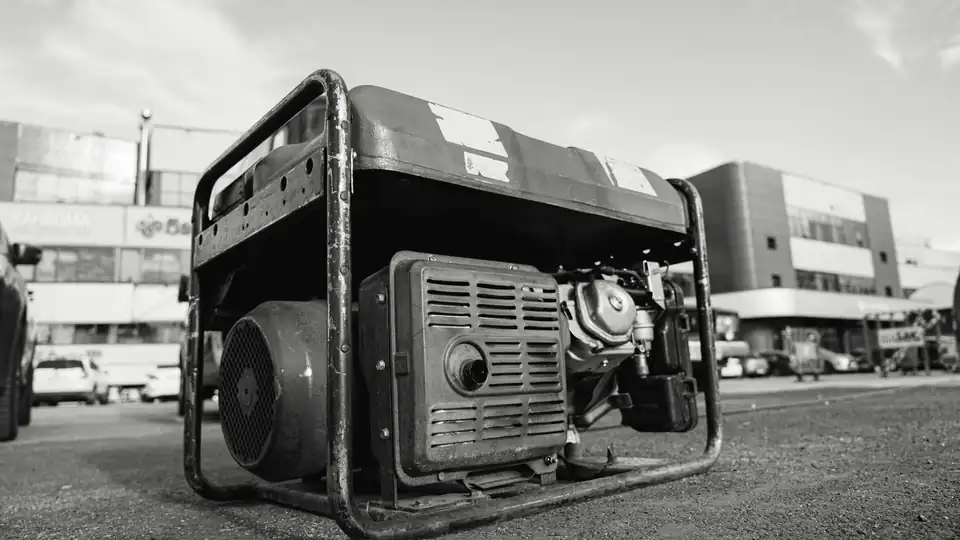
- Only use generators outside, more than 20 feet away from any windows, doors, and vents.
- Use a battery-powered or battery-backup CO detector in your home when a generator is running (CDC: Carbon Monoxide Poisoning Basics).
The U.S. Consumer Product Safety Commission gives the same direction in plain language: never use portable generators indoors or in garages, basements, or sheds, and always use them outside, well away from windows, doors, vents, or any other opening. CPSC also notes that generator exhaust can be deadly in minutes (CPSC: Generators and Engine-Driven Tools).
Ready.gov gives the same distance: generators and fuel should always be used outdoors and at least 20 feet away from windows, doors, and attached garages. It also notes that you should keep the generator dry and protected from rain or flooding, let it cool before refueling so spilled fuel does not ignite on hot parts, and connect appliances with heavy-duty extension cords, following the manufacturer’s instructions.
Point the exhaust away from the house. Do not run a generator on a porch, in a carport, or just outside a window to “keep it dry” if that places the exhaust near an opening. If rain is a problem, use a manufacturer-approved cover or canopy that does not trap exhaust, and still keep the unit more than 20 feet from the home.
Follow the manufacturer’s instructions for oil, fuel, and electrical hookups, including any transfer-switch requirements. This page is about carbon monoxide; it is not a wiring guide.
What never to use for heat or cooking indoors
The CDC says:
- Never heat your house with a gas oven. Don’t cook or burn anything on a stove or fireplace that isn’t vented.
- Never burn charcoal indoors. Burning charcoal — red, gray, black, or white — gives off CO.
- Never use a portable gas camp stove indoors. Do not use portable flameless chemical heaters indoors (CDC: Carbon Monoxide Poisoning Basics).
CPSC also says never to burn charcoal grills indoors, even with ventilation (CPSC: Generators and Engine-Driven Tools).
If you use a fireplace, wood stove, or a fuel-burning heater that the manufacturer rates for indoor use, follow the manufacturer’s ventilation instructions and keep a working CO alarm in the home. Our heat-one-room and stay-warm guides walk through making one room livable without turning to those unsafe indoor methods.
Cars, trucks, and attached garages
The CDC says never to run your car or truck inside a garage that is attached to a house, even with the garage door open. If you run a vehicle inside a detached garage, open the door to let in fresh air. Have a mechanic check the exhaust system every year; a small leak can lead to a buildup of CO inside the car (CDC: Carbon Monoxide Poisoning Basics).
During an ice storm it can be tempting to warm up in a running vehicle in the garage. Don’t. If you must run a vehicle to charge a phone or stay warm, do it outdoors, clear of the house, with the exhaust unobstructed by snow or debris.
CO alarms
The CDC recommends installing battery-operated or battery-backup CO detectors near every sleeping area in your home, checking the batteries when you change clocks in the spring and fall, and replacing the detector by the manufacturer’s instructions or every five years (CDC: Carbon Monoxide Poisoning Basics). Ready.gov advises installing carbon monoxide detectors with battery backup in central locations on every level of your home. CPSC also says to always have a working CO alarm in the house (CPSC: Generators and Engine-Driven Tools).
Test the alarms before storm season, not after the power fails. If you use a generator or any fuel-burning heater, the alarm needs to work on battery power.
Two examples on ReadyGearHub, with details and safety notes on each product page, are the Kidde KN-COB-LP2 battery-operated CO alarm and the Eton Blackout Buddy CO, a combination emergency light and CO detector. Check each manufacturer’s page for current features and placement instructions. A CO alarm is not a substitute for placing a generator outdoors and away from the house.
During an outage, in order
- Keep fuel-burning equipment outdoors and well away from openings, following the CDC’s more-than-20-feet generator rule.
- Do not use ovens, grills, or camp stoves to heat indoor rooms.
- Close the door between an attached garage and the house, and do not run a vehicle in that garage.
- Rely on battery CO alarms near sleeping areas.
- Make one room warmer with layers, blankets, and sunlight, as described in the stay-warm and heat-one-room guides, instead of improvising with combustion indoors.
- If anyone feels flu-like symptoms, or an alarm sounds, get to fresh air and call 911 or Poison Help at 1-800-222-1222.
For food safety while the power is out, use the Fridge & Freezer Outage Timer or the Cold Hold app, and see What to Do When the Power Goes Out in a Mississippi Ice Storm. Watch official conditions on our home What’s happening now board, live alerts, and Local & community safety updates. Mississippi readers can find county emergency-management contacts and utility outage maps on the Mississippi local resources pages, including Harrison, Hancock, and Jackson County on the Gulf Coast.
Common questions
Can I run a generator in the garage if I open the door and a window? No. The CDC says never to use a generator inside your home or garage, even if doors and windows are open. Use it outside, more than 20 feet from windows, doors, and vents (CDC: Carbon Monoxide Poisoning Basics).
Is it safe to use a charcoal grill in the fireplace or on a porch? Do not burn charcoal indoors. The CDC and CPSC both warn that charcoal gives off carbon monoxide, and CPSC says not to do this even with ventilation. A porch that is enclosed, or close to windows and doors, can still allow exhaust to drift inside (CDC: Carbon Monoxide Poisoning Basics; CPSC: Generators and Engine-Driven Tools).
What number do I call besides 911? Poison Help at 1-800-222-1222 connects you to your local poison center. HRSA lists that number on its carbon monoxide advice page. Call 911 if symptoms are severe, if someone is unconscious, or if you need the fire department to check the home (HRSA Poison Help: Carbon Monoxide).
Sources
- CDC: Carbon Monoxide Poisoning Basics
- HRSA Poison Help: Carbon Monoxide
- U.S. Consumer Product Safety Commission: Generators and Engine-Driven Tools
- Ready.gov: Power Outages
This guide is general preparedness information, not medical advice. In an emergency, get to fresh air and call 911, or call Poison Help at 1-800-222-1222.