Heads up: some links on this page lead to gear listings that may have affiliate links, and some go to sponsored partners (a home warranty plan, a password manager, and a VPN, all paid services). If you buy through them, we may earn a commission at no extra cost to you. Read our disclosure.
Most winters in the South bring a few cold mornings and nothing more. Then every few years a storm drops freezing rain on trees and power lines, the roads glaze over, and a lot of us find out at the same time that our houses, cars, and plans were built for heat, not ice. This guide pulls everything together in one place: what to do before the storm, how to keep the house and the people in it safe while the power is out, and what to check once it’s over.
It’s long on purpose. Use the contents below to jump to what you need right now, and print the free Winter Storm Ready Checklist if you’d rather work from paper. Every safety number on this page comes from the National Weather Service (NWS), Ready.gov, the CDC, or FoodSafety.gov, with a link so you can check it yourself. Advice on copies of important documents and on public Wi-Fi comes from Ready.gov and CISA.
If a storm is already on top of you: go straight to During the outage. Never run a generator, grill, camp stove, or charcoal indoors or in a garage, and never heat the house with a gas oven or stovetop. Call 911 if anyone shows signs of carbon monoxide poisoning or hypothermia.
On this page
- Why winter storms hit the South differently
- Know the alerts and where to watch them
- Before the storm: a countdown
- Get the house ready
- Protect your pipes
- Heat safely: CO alarms, generators, and fuel heaters
- Water and food safety
- Medical and power-dependent needs
- Pets and livestock
- Vehicles and travel
- Protect your accounts and documents
- During the outage
- After the storm
- Southern special cases: mobile homes, rural water, and more
- Free tools, apps, and printables
Why winter storms hit the South differently
A Southern winter storm usually isn’t about deep snow. It’s about ice. The NWS explains that heavy ice can bring down trees and topple utility poles and communication towers, and that it can disrupt power and communications for days while utilities repair the damage. Even a thin glaze makes roads, steps, and driveways dangerous, and bridges and overpasses freeze before other surfaces.
A few things make that worse down here:
- We don’t have the equipment. Southern cities and counties typically have much less snow and ice equipment than places where snow is routine, so roads can stay iced over until temperatures rise.
- Our houses are built for summer. Many Southern homes have pipes in crawl spaces, attics, and exterior walls with little insulation, and many rely on electric heat. When the power goes out, the heat goes out with it.
- Lots of trees, lots of overhead lines. Pines and hardwoods loaded with ice drop limbs onto lines across wide areas, especially in rural electric co-op territory.
- Little practice. When a storm comes only every few years, most households don’t have a routine, a kit, or a habit of checking alerts. That’s what this guide is for.
- Rural water and long drives. Small water systems can lose pressure or issue boil-water notices, and the nearest open store, pharmacy, or warming center may be a long, icy drive away.
The good news: almost everything that keeps you safe can be done in a weekend before the cold arrives, and most of it costs little or nothing.
Know the alerts and where to watch them
The NWS issues winter alerts based on local criteria, and it notes that the amount of snow that triggers a Winter Storm Warning in the Southeast is typically much lower than in the Northern Plains (NWS: winter watches, warnings and advisories). So when your local office issues one, take it seriously even if the totals sound small.
| Alert | What it means (per NWS) | What to do |
|---|---|---|
| Winter Storm Watch | Conditions are favorable for a significant winter storm: heavy sleet, heavy snow, ice storm, or a mix. | Finish your prep: water, food, medicine, fuel, cash, charged batteries. |
| Winter Weather Advisory | Wintry weather is expected but shouldn’t reach warning level. | Expect slick roads. Plan around travel. |
| Winter Storm Warning | A significant winter weather event is expected, and travel will become difficult or impossible in some places. | Stay home if you can. Finish last-minute tasks before it starts. |
| Ice Storm Warning | Usually issued for ice accumulation of around 1/4 inch or more, which the NWS says will make travel dangerous or impossible and likely lead to snapped power lines and falling branches. | Expect outages. Charge everything, set up your warm room, and stay off the roads. |
| Wind Chill Warning / Advisory | Dangerously cold wind chills that can cause frostbite and hypothermia. | Limit time outside and cover exposed skin. Bring pets in. |
Ready.gov adds that Winter Storm Watches are usually issued 12 to 48 hours before a storm and Warnings usually 12 to 24 hours before (Ready.gov: Winter Weather). That watch window is your prep window. For a deeper explanation of each alert, including freeze warnings, read Winter Storm Watch vs. Warning: What Each Alert Means.
Where to watch:
- The home What’s happening now board shows official National Weather Service alerts, National Hurricane Center updates when they apply, and Mississippi outage and MEMA links in one place.
- Live Weather Alerts shows official NWS alerts for your state or county, free in your browser.
- Storm Tracker saves your county and keeps the last alerts it downloaded available offline, along with a fridge outage timer and a short Ready.gov checklist.
- Local & community safety updates is a calm email list for official weather advisories, recalls, and community outage notes.
- A battery or hand-crank NOAA weather radio, such as the Midland ER310, keeps alerts coming if cell service goes down. Ready.gov lists NOAA Weather Radio and the Emergency Alert System as alert sources.
- Your phone’s Wireless Emergency Alerts should be switched on.
- Your utility’s outage map and your county emergency management office. We list official ones on Local Preparedness Resources, starting with Mississippi. That includes Jackson metro pages for Hinds, Madison, and Rankin, and Gulf Coast pages for Harrison, Hancock, and Jackson County.
Before the storm: a countdown
You don’t need to do everything on this page the day before. Spread it out.
Now, before cold weather (one-time setup)
- Install carbon monoxide alarms with battery backup on every level of the home and near sleeping areas, and test your smoke alarms. (Details in the heating section.)
- Insulate exposed pipes and find your main water shut-off. (See Protect your pipes.)
- Have your furnace, water heater, and any fuel-burning appliance serviced. The CDC recommends a yearly check by a qualified technician, and a yearly chimney check or cleaning.
- Build a basic kit. The free Emergency Kit Builder turns Ready.gov’s list into a printable checklist sized to your household.
- Write down important phone numbers on paper: utility outage line, county emergency management, doctors, pharmacy, vet, and family. A dead phone shouldn’t mean a lost list.
- Make electronic and paper copies of IDs, insurance policies, and other key documents, and decide how you’ll stay safer on public Wi-Fi if you have to leave home. (See Protect your accounts and documents.)
- If anyone in the home depends on powered medical equipment, talk to the doctor and call your power company now. (See Medical needs.)
- Put a car kit in each vehicle. (See Vehicles.)
- If you can’t afford heating costs or weatherization, Ready.gov points to the Low Income Home Energy Assistance Program (LIHEAP) for help.
When a Winter Storm Watch is issued
- Water: FoodSafety.gov says to store at least 1 gallon per person per day, and per pet, for at least 3 days (FoodSafety.gov). Use the Water Storage Calculator to get your household’s number.
- Food: at least a 3-day supply that needs little or no cooking, water, or refrigeration, plus a manual can opener. Include baby food, special diets, and pet food.
- Medicine: refill prescriptions early, before roads close.
- Fuel and cash: fill the car’s gas tank (pumps need electricity) and get some cash (card readers go down with the power).
- Batteries and charging: charge phones, power banks, laptops, and any portable power station. Check flashlight and radio batteries.
- Fridge prep: put appliance thermometers in the fridge and freezer, make extra ice, and freeze water jugs and gel packs. (Details in Water and food.)
- Generator owners: check fuel, oil, and extension cords. Decide now exactly where it will sit outdoors.
- Check on people: call older neighbors and relatives and ask what they need. Our Winter Emergency Kit for Elderly Parents has a full plan.
When a Warning is issued (the last 12–24 hours)
- Drip faucets and open sink cabinets if a hard freeze is forecast.
- Bring pets inside and move outdoor animals to shelter with unfrozen water.
- Pick your warm room and set it up (see During the outage).
- Fill a bathtub or a waterBOB for flushing and washing if you’re on a well or a small water system that may lose pressure.
- Park cars where falling limbs are less likely to hit them, and away from power lines.
- Set your plan for checking in with family. The free All Accounted app is a household check-in board that works offline and shares a text snapshot.
- Get off the roads before the ice starts.
For a tighter, hour-by-hour version of this countdown, use How to Prepare for an Ice Storm in the South: 48-Hour Checklist, or the printable Winter Storm Prep Planner in our shop if you want a seven-day paper version.
Get the house ready
A house that holds heat buys you hours, sometimes days, when the furnace stops. Ready.gov recommends keeping out the cold with insulation, caulking, and weather stripping.
Seal and insulate
- Weather-strip and caulk drafty doors and windows.
- Add window insulation film to single-pane or leaky windows. A shrink-film kit like the 3M Indoor Window Insulator Kit is a cheap, renter-friendly option.
- Keep heavy curtains or spare blankets ready to hang over windows and doorways.
- Have draft stoppers or rolled towels for the gaps under doors.
Outside
- Look at the trees near your house, driveway, and service line. Dead or overhanging limbs are the ones ice brings down first. For trees touching power lines, call your utility; don’t trim near lines yourself.
- Clean gutters so melting ice can drain.
- Disconnect and drain garden hoses.
- Have rock salt, a de-icer, or sand for steps and walkways. The CDC notes that many cold-weather injuries come from falls on icy sidewalks, steps, driveways, and porches.
- Store a snow shovel or ice scraper where you can reach it without going outside.
Inside
- Know where your electrical panel, water shut-off, and gas shut-off are, and keep a flashlight near each.
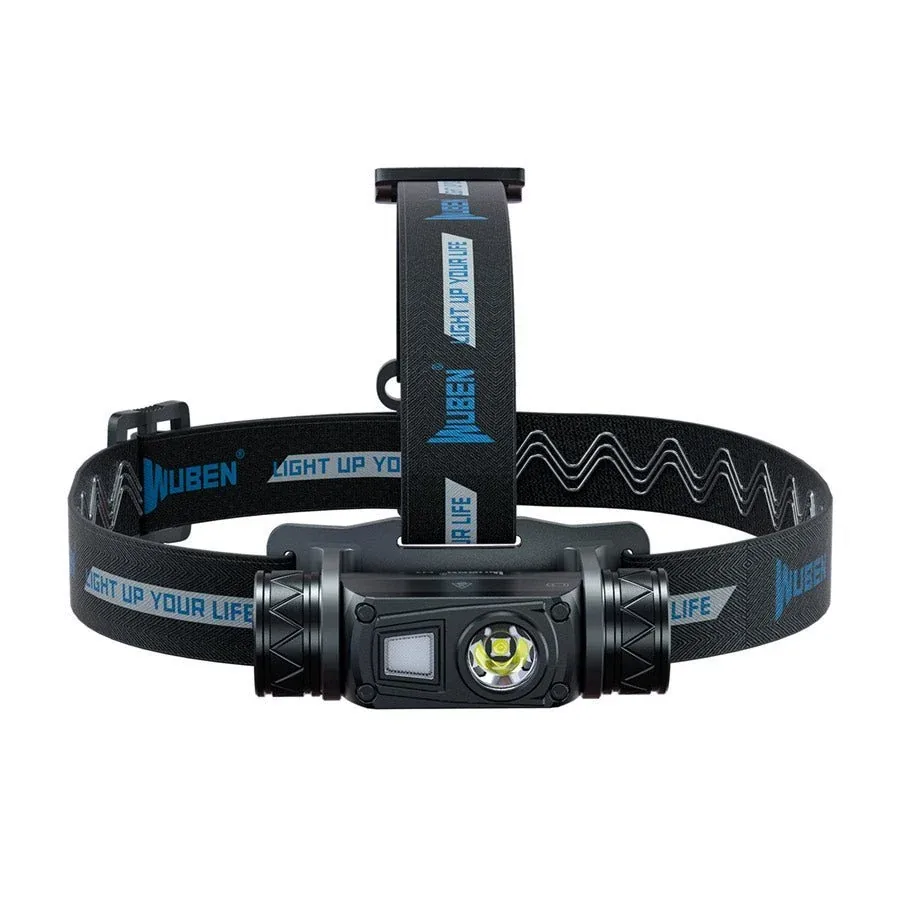
- Keep a headlamp per person, like the Black Diamond Spot 400 or the Wuben H1, plus a lantern for each main room, like the Goal Zero Lighthouse 600. The CDC recommends battery-powered flashlights and lanterns over candles, since candles can start house fires.
- Gather blankets, sleeping bags, hats, wool socks, and warm coats for everyone. The CDC lists extra blankets, sleeping bags, and warm coats as a backup heat source.
Renting an apartment or small home with no room for a generator? The Apartment Outage Kit is built around light, water, warmth, and battery power, with no fuel-burning heat at all.
Protect your pipes
Frozen and burst pipes are one of the most expensive parts of a Southern freeze, and they often show up after the storm, when the ice in the pipe thaws and the water starts pouring out.
The CDC’s winter storm guidance for very cold or freezing temperatures:
- Leave taps slightly open so they drip continuously.
- Keep the temperature inside your home warm.
- Let heated air reach pipes, for example by opening cabinet doors under kitchen and bathroom sinks. Move cleaners out of reach of kids and pets first.
- If pipes freeze, don’t thaw them with a torch. Thaw them slowly with warm air from an electric hair dryer.
- If you can’t thaw them or a pipe has broken, use bottled water or get water from a neighbor.
Southern homes need extra attention in a few places: crawl spaces, pipes on exterior walls, attic lines, garage lines, outdoor hose bibs, and the exposed plumbing under mobile and manufactured homes. If your local water utility asks people not to drip faucets to protect system pressure, follow the utility.
If a pipe bursts: shut off the main water valve right away, turn off electricity to any area where water is reaching outlets or appliances (only if you can reach the panel safely and stay dry), and call a licensed plumber.
The full walkthrough, including which pipes freeze first and how to tell if one is frozen, is in How to Keep Pipes From Freezing in a Southern Cold Snap.
Heat safely: CO alarms, generators, and fuel heaters
This is the most important section on the page. When the power goes out in winter, people get cold and reach for whatever will make heat. Carbon monoxide (CO) is the danger. The CDC describes it as an odorless, colorless gas that can cause sudden illness and death, and it says people who are asleep can die from CO poisoning before they have symptoms.
Carbon monoxide alarms
- Ready.gov says to install CO detectors with battery backup in central locations on every level of your home (Ready.gov: Power Outages).
- The CDC says to put battery-operated or battery-backup CO detectors near every sleeping area.
- Replace detectors following the manufacturer’s instructions or every 5 years, per the CDC, and check the batteries twice a year when the clocks change.
- Plug-in-only alarms stop working when the power goes out. Make sure you have at least one battery-powered alarm, like the Kidde KN-COB-LP2 or the Eton Blackout Buddy CO detector, which also works as a flashlight.
Know the symptoms. The CDC lists headache, dizziness, weakness, upset stomach, vomiting, chest pain, and confusion, often described as “flu-like.” If the alarm sounds or anyone feels these symptoms, get everyone, pets included, outside into fresh air right away and call 911.
Never use these for heat indoors
Per the CDC and Ready.gov:
- Generators, inside the home, basement, or garage, even with doors and windows open.
- Gas or charcoal grills and camp stoves, inside the home, basement, or garage, or near windows.
- A gas oven or stovetop to heat the house. Ready.gov notes it also raises the risk of fires and burns and can damage the appliance.
- Charcoal, ever, indoors.
- Portable flameless chemical heaters, which the CDC says not to use indoors.
Generator rules
| Rule | Source |
|---|---|
| Use generators and fuel only outdoors, at least 20 feet from windows, doors, and attached garages. | Ready.gov |
| Place it more than 20 feet from any window, door, or vent, where rain and snow can’t reach it. | CDC |
| Never run it in the home or garage, even with doors and windows open. | CDC |
| Keep it dry. Touching a wet generator or devices connected to one can cause electrical shock. | Ready.gov |
| Connect appliances with heavy-duty, outdoor-rated extension cords. | Ready.gov, CDC |
| Let it cool before refueling. Fuel spilled on hot engine parts can ignite. | Ready.gov |
| Don’t store gasoline indoors where fumes could ignite. | CDC |
| Run a battery-powered or battery-backup CO alarm inside while the generator runs. | CDC |
| Follow the manufacturer’s instructions. | Ready.gov |
Never plug a generator into a wall outlet. Feeding power back through your house wiring can hurt you and utility crews working on the lines. If you want a generator to power household circuits, have a licensed electrician install a transfer switch.
Still deciding what to buy? Inverter Generator vs Portable Power Station compares the two, and battery power stations make no exhaust at all, so they’re the safer choice for apartments and for running things indoors. How to Pick a Portable Power Station explains watt-hours and sizing, and the free Generator & Power Station Sizer estimates what you’d actually need. Browse options in Home Backup Power & Solar and Off-Grid Power. Portable power stations from BLUETTI and ALLPOWERS are two battery options; they make no exhaust, unlike a generator, which must stay outdoors. Program code AFF5OFF for 5% off at checkout, per BLUETTI, and program code ALLPOWERS26 for 10% off at checkout, per ALLPOWERS.
Fuel-burning heaters, fireplaces, and wood stoves
The CDC’s rules for wood stoves, fireplaces, and fuel heaters:
- Use fireplaces, wood stoves, and other combustion heaters only if they’re properly vented to the outside and don’t leak exhaust into the room.
- Make sure you have proper ventilation if you must use a kerosene heater, and check with your local fire department that kerosene heaters are legal where you live.
- Use only the fuel your heater is designed for. Don’t substitute.
- Don’t burn paper in a fireplace.
If you use an indoor-rated propane heater, such as the Mr. Heater Portable Buddy, follow the manufacturer’s ventilation instructions exactly and run a battery-powered CO alarm in the same room.
Electric space heaters (when you have power or a big enough battery)
From the CDC:
- Use heaters with automatic shut-off and non-glowing elements.
- Keep them at least 3 feet from drapes, furniture, bedding, and anything flammable. Never cover one.
- Never put one on furniture or near water, and never leave children alone near one.
- Avoid extension cords, and don’t run the cord under rugs.
- Stop using any heater with a damaged cord or that sparks.
A space heater draws a lot of power, so it will drain a portable power station fast. For more on keeping one room livable, read Best Ways to Heat One Room Safely in an Outage and How to Stay Warm When the Power Goes Out in Winter. Gear for this lives in Home Heating Backup and Cold-Weather Gear.
Water and food safety
Water
- Store at least 1 gallon per person per day, and per pet, for at least 3 days. FoodSafety.gov suggests storing more for hot climates, pregnant women, and people who are sick (FoodSafety.gov).
- Replace stored water (other than store-bought) every 6 months, and watch expiration dates on bottled water, per FoodSafety.gov.
- Keep a bottle of unscented household bleach for disinfecting water and cleaning. FoodSafety.gov suggests replacing it each year because it loses strength.
- Sturdy containers like the Reliance Aqua-Tainer are easier to store and pour than a pile of small bottles.
- If your water utility issues a boil-water notice, follow it. The CDC says bringing water to a rolling boil for one minute kills most germs.
How much is enough for your house? Run the Water Storage Calculator, and read our emergency water storage guide for containers and filters. More options are in Water & Food Storage.
Food: before the power goes out
From FoodSafety.gov:
- Put appliance thermometers in the fridge and freezer. The freezer should be at or below 0°F and the fridge at or below 40°F.
- Make ice and freeze gel packs and water containers ahead of time. Melting ice from frozen water jugs also gives you drinking water.
- Freeze leftovers, milk, and fresh meat you won’t need right away.
- Group food together in the freezer so it stays cold longer.
- Have coolers ready in case the power may be out for more than 4 hours.
Food: during and after an outage
| Safe time with the door closed | Source | |
|---|---|---|
| Refrigerator | About 4 hours if unopened | FoodSafety.gov, Ready.gov |
| Full freezer | About 48 hours | FoodSafety.gov, Ready.gov |
| Half-full freezer | About 24 hours | FoodSafety.gov |
- Keep the doors closed as much as you can.
- Don’t put perishable food out in the snow. FoodSafety.gov warns that outdoor temperatures vary and food can be exposed to animals and unsanitary conditions. Instead, fill buckets or jugs with water, set them outside to freeze, and use that ice in the fridge or coolers.
- Throw out perishable food (meat, poultry, fish, eggs, leftovers) that has been above 40°F for 2 hours or more. FoodSafety.gov also says to discard refrigerated perishables when the power has been off for 4 hours or more.
- Freezer food can be refrozen or cooked if it still has ice crystals or is 40°F or below.
- You can’t judge safety by look or smell. When in doubt, throw it out.
Two free tools help here: the Fridge & Freezer Outage Timer counts down from the FoodSafety.gov times, and the Cold Hold app lets you log fridge and freezer temperatures offline during the outage.
Shelf-stable food and outdoor cooking gear are in Water & Food Storage and Homestead & Multi-Purpose. Remember that camp stoves and grills are outdoor-only.
Medical and power-dependent needs
A power outage can make medical devices stop working, and Ready.gov lists that as one of the main dangers of an outage. Plan this part first if it applies to your household.
- Talk to your doctor or medical provider about a power outage plan for powered medical devices and refrigerated medicines, and ask how long each medication can be stored at higher temperatures (Ready.gov: Power Outages).
- Call your power company and ask to be put on its list for priority power restoration if someone uses electric medical equipment at home (Ready.gov: People with Disabilities). Ask your county emergency management office whether it keeps a voluntary registry for people who may need help.
- Keep extra batteries charged for power wheelchairs and other battery-powered medical or assistive devices.
- Have a cooler and ice packs ready for medicines that need refrigeration.
- Know that Ready.gov says if the power is out for more than a day, you should discard medication that should be refrigerated unless the label says otherwise, and contact your doctor or pharmacist for a new supply.
- If anyone is on dialysis or other life-sustaining treatment, know more than one facility that can help.
- Keep a written list of medications, doses, allergies, device model and serial numbers, and doctor contacts, plus extra glasses and hearing-aid batteries.
- Decide in advance where you’ll go if the home can’t stay warm or keep a device running: a relative with power, a hospital, or a warming center. Ready.gov says to go to a community location with power if heat or cold is extreme.
Backup power for devices: a portable power station can run some devices for a while, but check the device’s power draw against the station’s capacity and ask the device maker or your provider before you rely on it. The free Generator & Power Station Sizer helps you estimate.
Babies and older adults: the CDC says infants under one year should never sleep in a cold room, and if you can’t keep the home warm, make arrangements to stay elsewhere. It also says older adults make less body heat, so check on older neighbors often.
The free Aid Dates app tracks first-aid and supply expiry dates offline. For the kit itself, see What to Put in a Family First Aid Kit for Storms, the Elderly Parent Kit, and the First Aid & Medical Prep lane.
Pets and livestock
Ready.gov says to include pets in your family’s emergency plan and to bring them indoors at the first sign or warning of a storm.
- Bring pets inside before the storm. The NWS notes that animals feel wind chill too.
- Pack several days of food in an airtight, waterproof container, plus water and a bowl. Count pets in your water math (1 gallon per pet per day, per FoodSafety.gov).
- Keep an extra supply of any medicine your pet takes.
- Have a collar with ID, a backup leash, a carrier, and copies of registration and medical records. Ready.gov recommends microchipping and keeping the contact info current.
- Keep a photo of you with your pet in case you get separated.
- Know that many public shelters and hotels don’t allow pets inside, so line up a pet-friendly place to go ahead of time.
- Set up a buddy system with a neighbor who can care for your pets if you can’t get home.
Horses, goats, and other large animals: make sure every animal has ID, plan shelter and unfrozen water ahead of time, and if you might need to move them, do it early, as Ready.gov advises. The Homestead Ice Storm Kit covers rural water and power.
The free Collar Card app keeps a pet emergency profile and kit checklist with expiry dates, offline on your phone.
Vehicles and travel
The best plan for an ice storm is to not drive in it. The NWS says bridges and overpasses freeze before other surfaces and warns about black ice, which is hard to see and most common in early morning hours after melted snow or rain refreezes.
Before the storm:
- Fill the gas tank. Ready.gov recommends keeping a full tank in winter.
- Ready.gov’s car kit list includes jumper cables, sand, a flashlight, warm clothes, blankets, bottled water, and non-perishable snacks. A lithium jump starter like the NOCO Boost GB40 means you don’t need a second car.
- Add a phone charger, an ice scraper, and a bright cloth to signal for help.
If you must drive:
- Let someone know your route and when you expect to arrive, as the CDC advises.
- Never pour hot water on an iced windshield. The CDC says it can make the windshield shatter.
- Slow down, even if the road just looks wet, per the NWS.
If you get stranded, the CDC and NWS say:
- Stay in the vehicle.
- Run the motor and heater for about 10 minutes per hour, with a window opened slightly.
- Keep snow away from the exhaust pipe to reduce the risk of carbon monoxide poisoning.
- Tie a brightly colored cloth to the antenna or door, and turn on the dome light at night while the engine runs.
- Wrap up in extra clothing and blankets, keep moving your arms and legs, and huddle together for warmth.
- Don’t eat snow. It lowers your body temperature.
At home: the CDC says never to run a car or truck inside an attached garage, even with the garage door open. Don’t sit in an idling car in the garage to warm up or charge a phone.
Full checklist: What to Keep in Your Car for Winter, the Car Winter Kit, and the Vehicle Emergency Kits lane.
Protect your accounts and documents
If you have to leave home, or if a computer or a filing cabinet is damaged, you’ll want copies of IDs, insurance policies, and other key papers you can still reach. Ready.gov’s emergency kit list includes copies of insurance policies, identification, and bank account records, saved electronically or in a waterproof, portable container. Ready.gov’s financial preparedness page also suggests storing important documents in a safety deposit box, on an external drive, or in the cloud so you can get to them during a disaster.
A password manager can keep logins in one place, and many also let you store secure copies of documents — IDs, insurance cards, and policies — so you can open them from a phone if you have to leave the house. CISA recommends a password manager for creating and storing long, unique passwords, and notes that some are free (including the one built into your browser) and some cost money. NordPass is one paid subscription option. Use a strong, unique passphrase for the manager itself, and turn on multi-factor authentication if it’s offered.
Keep paper copies too, in a waterproof container you can grab quickly, in case phones and internet are down.
On shelter or public Wi-Fi. If you end up at a warming center, hotel, or other public network, treat that connection as untrusted. CISA says public networks are not very secure, which makes it easier for others to intercept your data, and that if you connect to an open network you can use a virtual private network (VPN) to help keep your traffic private. NordVPN is a paid subscription VPN. A VPN is optional, not a requirement, and it doesn’t replace careful habits: confirm the network name with staff when you can, avoid entering sensitive information if you have a better option (such as your phone’s cellular data), and be cautious with unexpected login pages.
During the outage: the first hours and days
The first 30 minutes
- Check whether it’s just you. Look at your breaker panel and whether neighbors’ lights are out.
- Report the outage to your utility through its app, website, or phone line. Don’t assume someone else did. Official outage maps for Mississippi utilities are on our Mississippi local resources page.
- Unplug sensitive electronics. Ready.gov notes power can return with surges that damage equipment. Leave one lamp switched on so you know when power is back.
- Switch to flashlights and lanterns, not candles.
- Turn on the weather radio and save your phone battery with low-power mode.
- Note the time the power went out. That starts your food-safety clock. The Outage Timer can track it for you.
Set up one warm room
- Close off rooms you don’t need.
- Stuff towels or rags in the cracks under doors.
- Close curtains or cover windows with blankets, especially at night.
- Avoid opening outside doors more than you have to.
- Dress in loose layers. The CDC says wool, silk, or polypropylene hold more body heat than cotton. Wear a hat, and remove a layer if you start sweating, because damp clothes chill you.
- Eat regular meals and drink warm, sweet drinks or broth. The CDC advises avoiding alcohol and caffeine, which make your body lose heat faster.
A small interior room with few windows is usually easiest to keep warm. Pick a room with a battery CO alarm if you’re using any fuel-burning heater.
Power: what to run first
If you have a power station or a generator running safely outdoors, prioritize:
- Medical devices and medication cooling
- Phones and a weather radio
- Lights
- The refrigerator, in short stretches, if your setup can handle it
- Internet router, so you can get updates
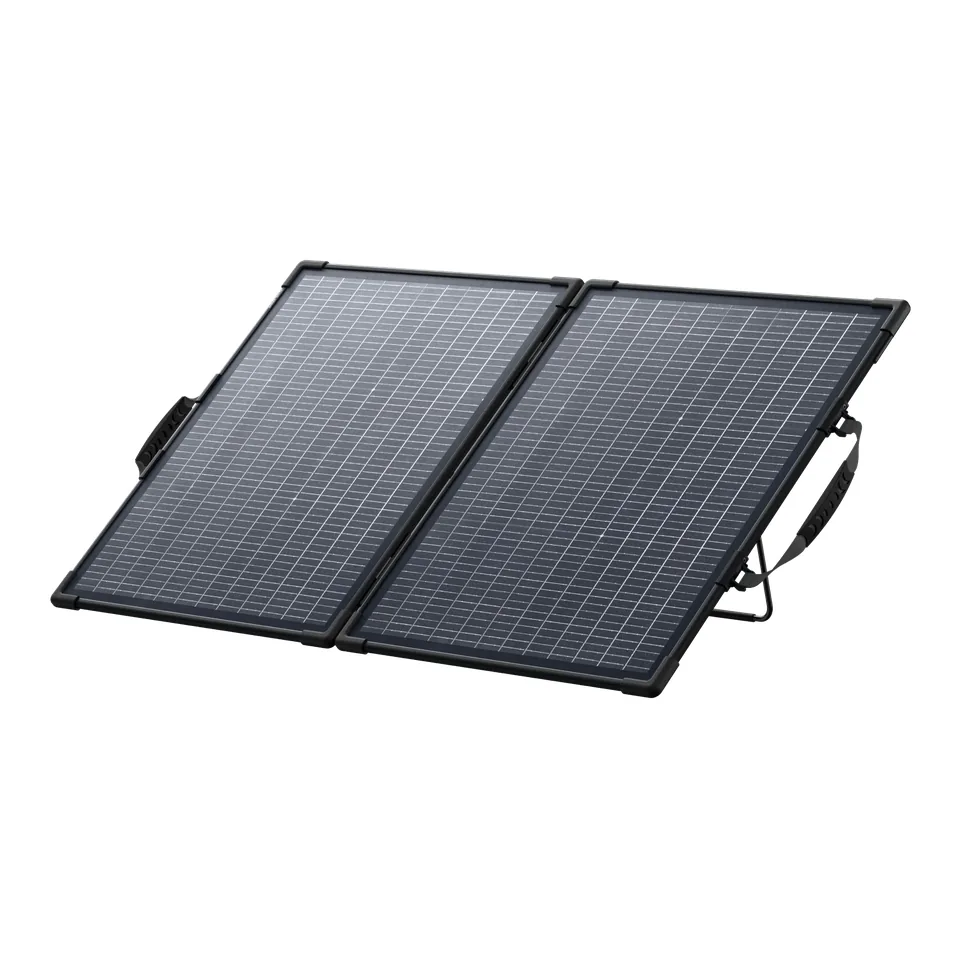
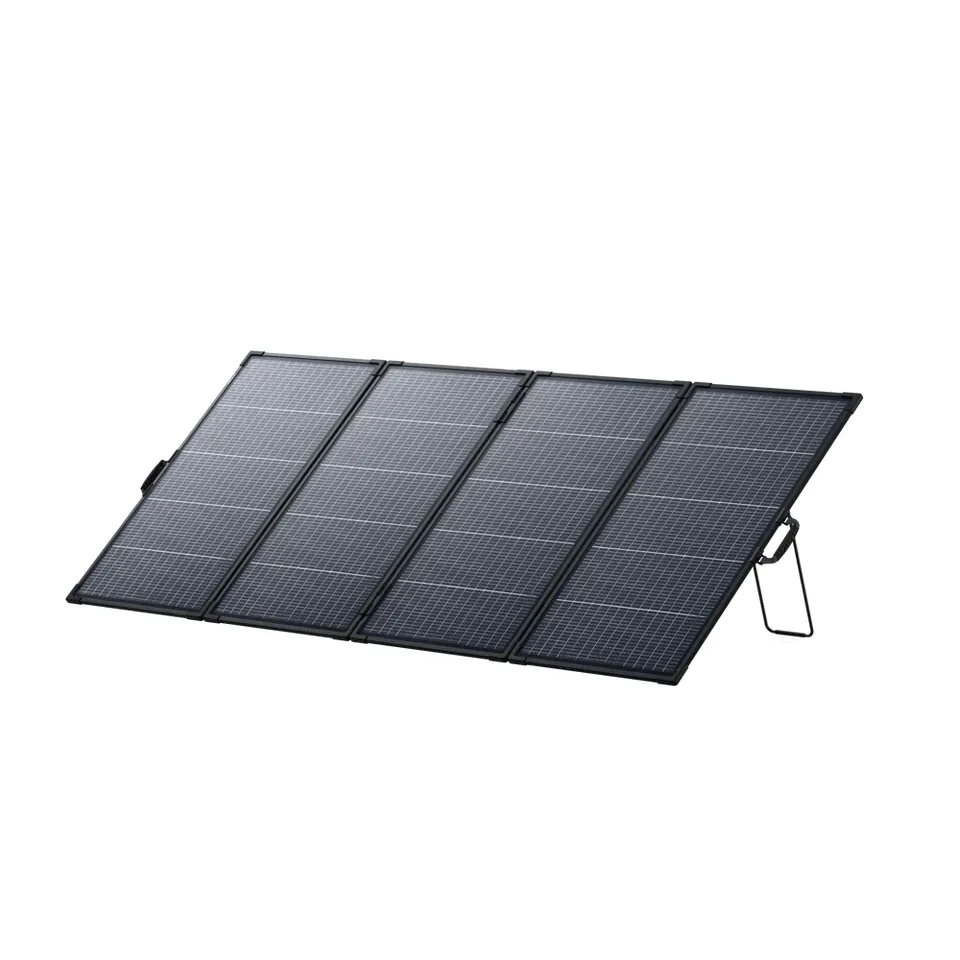
The Runtime Reserve app logs generator fuel and runtime and estimates how many hours you have left, offline. The Solar & Power Station Sizer helps if you’re planning to recharge with solar panels after the storm. Portable panels such as the Anker SOLIX PS100 or PS400 are one option; confirm connector and input compatibility with your power station, and remember that solar only helps when there is usable sun.
Watch for cold-related illness
Hypothermia warning signs in adults, per the CDC: shivering, exhaustion or feeling very tired, confusion, fumbling hands, memory loss, slurred speech, and drowsiness. In babies: bright red, cold skin and very low energy. The CDC and Ready.gov both say a body temperature below 95°F is an emergency. Get medical help right away. If you can’t, Ready.gov says to move the person to a warm room, warm the center of the body first (chest, neck, head, and groin), and keep them dry and wrapped in blankets.
Frostbite signs: numbness, white or grayish-yellow skin, or skin that feels unusually firm or waxy, usually on the nose, ears, cheeks, chin, fingers, and toes. Ready.gov says to go to a warm room and soak in warm water, and not to massage the area or use a heating pad. Seek medical care.
When to leave
Leave for a relative’s house, a hotel, or a warming center if the house can’t be kept warm, if someone has a medical device you can’t power, if there’s an infant who would otherwise sleep in a cold room, or if a CO alarm goes off. Ready.gov says to check with local officials about warming locations; our local resources pages link to official sources for warming centers by county.
The step-by-step version of this section is What to Do When the Power Goes Out in a Mississippi Ice Storm, and the shorter checklist is Winter Power Outage Checklist. For staying safe around ice, falling limbs, and downed lines, see the Ice Storm Survival Checklist for the South.
After the storm
Outside
- Stay away from downed power lines and anything touching them, including fences, puddles, and tree limbs. Assume every line is live and report it to your utility.
- Watch for falling limbs. Ice-loaded branches can keep dropping after the storm ends.
- Walk carefully. Salt or sand steps and walkways, and wear traction cleats like Yaktrax Pro if you have to go out.
- Don’t overdo the cleanup. The CDC says cold weather puts extra strain on the heart, and people with heart disease or high blood pressure should follow their doctor’s advice about shoveling or heavy work. Work slowly and take breaks.
- If you use a chainsaw, follow the manufacturer’s safety instructions, and leave limbs tangled in power lines to the utility.
Inside
- Check the food using the FoodSafety.gov rules above. When in doubt, throw it out.
- Check medicines that needed refrigeration, and call your pharmacist if the power was out for more than a day.
- Check for frozen or burst pipes before you turn water fully back on, and watch for leaks as pipes thaw.
- Plug electronics back in slowly once power is steady.
- Make sure the furnace and water heater restart normally. The NWS says to make sure a gas furnace vent isn’t blocked by a snowdrift once it’s safe to go out, so check that outdoor vents aren’t covered by ice or snow.
- Take photos of any damage for insurance before you clean up, and keep receipts for repairs. If you made the document copies in Protect your accounts and documents, you’ll have the policy information on hand.
- Restock what you used so you’re ready next time.
A note on repair costs: a dead furnace or water heater after a hard freeze can be an expensive surprise. Some homeowners choose a home warranty plan from Choice Home Warranty (sponsored), which is a paid monthly or yearly service plan that can cover repair or replacement of some major systems and appliances. It’s for homeowners only, it isn’t insurance, and coverage has limits, so check the price and read the terms before you sign up.
Southern special cases
Mobile and manufactured homes
- Plumbing under the home is often more exposed than in a site-built house. Check the skirting for gaps, insulate any exposed supply lines, and follow the manufacturer’s instructions for any heat tape or heat cable.
- If you heat with propane, make sure the tank is filled before the storm and that the area around the tank and regulator is clear.
- Use only heaters approved for your home, keep them at least 3 feet from anything that can burn (per the CDC), and have a battery CO alarm and smoke alarm.
- Mobile homes can lose heat quickly. Have a plan to go somewhere warmer if the outage looks long.
Electric heat and heat pumps
Many Southern homes heat with electricity only, so an outage means no heat at all. During extreme cold, utilities sometimes ask customers to conserve power, and grid operators may order rotating outages. Plan as if your heat could go out even if your lines don’t come down.
Rural water systems and wells
- If you’re on a well, the pump needs electricity. Fill containers and a bathtub before the storm for drinking, washing, and flushing.
- Small water systems can lose pressure or issue boil-water notices after a freeze. Have stored water and follow your utility’s instructions.
Rare storms, long distances
Because a big ice storm may come only every few years, stores sell out fast once one is forecast. Building your kit in the fall, before the rush, is the easiest win on this list. Rural households should plan on being on their own for longer, since stores, pharmacies, and help are farther away on icy roads.
Run a community site?
If you run a church, co-op, chamber, or local news site in Mississippi, our free embeddable winter storm alert widget shows official NWS alerts for your region, with no ads or cookies.
Free tools, apps, and printables
Everything below is free to use in your browser unless noted.
Free tools (all tools)
- Live Weather Alerts: official NWS alerts by state or county
- Emergency Kit Builder: a printable Ready.gov kit checklist sized to your household
- Water Storage Calculator: how much water to store
- Fridge & Freezer Outage Timer: food-safety countdown
- Generator & Power Station Sizer: estimate the watts you need
- Solar & Power Station Sizer: size panels and batteries
Offline apps (all apps)
- Storm Tracker: NWS alerts for a saved county, cached offline
- Runtime Reserve: generator fuel and runtime log
- Cold Hold: fridge and freezer temperature log
- All Accounted: household check-in board
- Collar Card: pet emergency profile
- Aid Dates: first-aid and supply expiry tracker
Printables
- Free Winter Storm Ready Checklist: a free 6-page printable
- From our shop (paid PDFs): the Winter Storm Prep Planner, the Family Emergency Binder, and the Homestead Prep Starter Guide
Curated kits (all kits)
Gear by category
- Winter Storm Prep, Power Outage Kits, Home Heating Backup, Cold-Weather Gear, Vehicle Emergency Kits, Home Backup Power & Solar, Off-Grid Power, Water & Food Storage, First Aid & Medical Prep, Homestead & Multi-Purpose, and Storm & Hurricane Prep
More guides (all guides)
- Winter Storm Watch vs. Warning
- Tornado Watch vs. Warning in Mississippi and the Gulf South
- Carbon Monoxide Safety During a Power Outage
- How to Prepare for an Ice Storm in the South: 48-Hour Checklist
- Ice Storm Survival Checklist for the South
- What to Do When the Power Goes Out in a Mississippi Ice Storm
- Winter Power Outage Checklist
- How to Keep Pipes From Freezing in a Southern Cold Snap
- How to Stay Warm When the Power Goes Out
- Best Ways to Heat One Room Safely in an Outage
- Inverter Generator vs Portable Power Station
- How to Pick a Portable Power Station
- Emergency Water Storage
- Family First Aid Kit for Storms
- Winter Emergency Kit for Elderly Parents
- What to Keep in Your Car for Winter
Common questions
Where can I see if a warning is in effect right now? Start with the What’s happening now board on the home page, or open live alerts. Both use official National Weather Service data. You can also sign up for occasional official-source notes on Local & community safety updates.
I live on the Mississippi Gulf Coast. Do these steps still apply? Yes. Ice, freeze, and long outages happen on the coast too, even if they are less frequent than in the hills. Use the same heat, pipe, food, and carbon monoxide steps, and keep your county emergency-management and outage-map links handy: Harrison, Hancock, and Jackson County.
November is also tornado season here. Should I watch for that too? Yes. NWS Jackson notes that November marks the peak of Mississippi’s second severe-weather season. If thunderstorms are in the forecast alongside a cold front, read Tornado Watch vs. Warning in Mississippi and the Gulf South and keep the same alert tools handy.
Sources
- National Weather Service: Ice Storms, Winter Weather Warnings, Watches and Advisories, What To Do If You’re Caught in a Winter Storm
- Ready.gov: Winter Weather, Power Outages, People with Disabilities, Prepare Your Pets for Disasters, Build A Kit, Financial Preparedness
- CDC: Safety Guidelines: During & After a Winter Storm, Carbon Monoxide Poisoning Basics
- CISA: Use Strong Passwords, Good Security Habits
- FoodSafety.gov: Food Safety in a Disaster or Emergency
This guide is general preparedness information, not medical advice. In an emergency, call 911, and always follow instructions from local officials and your utility.